In episode 37 of ‘Wes and Shelly Share,’ recorded on Monday, November 24th, 2025, Wes and Shelly reflect on their recent trip to the in Charleston, SC. They discuss their experiences and insights gained from the visit, including the importance of acknowledging and understanding the history of racism in the United States. They also share personal memories of their mothers and the traditions they upheld, particularly around Thanksgiving. With a mix of humor and heartfelt storytelling, they provide a glimpse into their lives, family history, and the values they cherish. Join them as they share both their reflections on history and the warmth of family traditions.
00:00 Introduction and Episode Overview
00:25 Thanksgiving Week Plans
01:39 Reflecting on Professional Development
02:36 Church Retreats and Community Engagement
03:33 Trip to the International African American Museum
Join Wes and Shelly Fryer in episode 36 of the ‘Wes and Shelly Share’ podcast, recorded on a beautiful fall day at Duke University. They reflect on their busy weekend, which included attending the second ‘No Kings’ protest in Charlotte, facilitating a webinar with renowned author Anne Applebaum, and sharing personal insights on representative democracy and social activism. The episode also dives into recent fall break activities where Shelly and Wes visited Oklahoma City and Kansas respectively. The couple discusses their roles as empty nesters, their continued involvement with community organizations, and their advocacy for democracy and human rights.
00:00 Introduction and Setting the Scene 00:35 Weekend Plans and Reflections 03:26 The No Kings Protest 04:43 Technical Challenges and Successes 07:07 Personal Reflections and Community Involvement 15:57 Confronting Whiteness and Cultural Healing 17:48 Conclusion and Call to Action 43:53 Podcast Information and Outro
Please share our podcast with others, write us a review on Spotify, Apple Podcasts or elsewhere, and subscribe to stay updated!
Join Wes and Shelly for Episode 33 of ‘Wes and Shelly Share’ as they reflect on sources of joy and discuss their exciting summer goals. From reminiscing about Easter memories to camping adventures, cooking over wood fires, and bird watching, this episode is filled with heartwarming stories and plans for outdoor activities. Listen in as they talk about their love for teaching, their furry family members, and the joy that simple pleasures like reading and designing lessons bring. Plus, get a sneak peek into their upcoming trips to the mountains of North Carolina and Wyoming’s Grand Tetons. Don’t miss this episode full of joy, gratitude, and future adventures!
In this 30th episode of “Wes and Shelly Share” from October 26, 2024, just a week and a half away from our momentous national, state and local elections, we recorded a bit of a “time capsule” about things we are thinking and advice we would offer to our children in this momentous time. After half time, we focused on more positive thoughts, recalling memories of bedtime routines with our kids when they were very little and books as well as songs we remember sharing with them. If you’re listening, please share some feedback with us, either as a comment on Facebook or by reaching out in another way. All the links to connect with us as well as access other episodes of our podcast are available on: https://www.shellyfryer.com/podcast/.
00:00 Welcome and Introduction
00:24 A Perfect Saturday
01:35 Yard Work and Outdoor Activities
03:06 A Day at the Dog Park
05:00 Fall Weather and Reflections
07:05 Political Climate and Voting
13:11 Concerns About Political Violence
20:12 Messages to Our Children
23:51 The Importance of Communication
28:33 Reflecting on Family Connections
29:25 Halftime Break and Funnel Cake Ad
31:11 Memories of Bedtime Routines
35:48 Cherished Bedtime Stories
43:53 Singing and Family Traditions
49:27 Concluding Thoughts and Podcast Outro
Here are links to the different projects and websites referenced by Wes in this podcast episode:
Wesley: Well, good evening, everyone, and welcome to another episode of Wes and Shelly’s Share. I’m Wes Fryer. I’m here in Stallings, North Carolina. We actually just had to be kind of chased in from Our patio where we were just having a lovely hamburger dinner because some rain is rolling in. We’re gonna call this episode, I think, time Capsule and we are going to recount a little bit of what today.
Well, because it was just like a perfect Saturday and we are gonna talk about this political moment because there’s a lot that feels a bit surreal as we’re a week and a half out. From the election. And then we’re going to also just kind of talk about our family and why we’re so proud of where our kids are today and the choices they’re making and kind of where we just fear, see ourselves as parents and spouses and empty nesters and for baby parents and all that good stuff.
So. Hello, Shelly. How are you tonight?
Shelly: I’m feeling relaxed tonight. It’s a beautiful fall evening. Um, we did have to come inside from our chiminea fire, um, but we did get to have a picnic on the patio and and enjoy the pinyon wood for a little while and we loved, um, we worked in the yard earlier this afternoon and um, so anyway, I love having everything kind of neat and tidy in the backyard.
It was beautiful.
Wesley: So we’ll just kind of recount a little bit of today. So we’ve been busy and I’ve been co chairing our stewardship committee for church Which has meant the last two months pretty much a Thursday night meeting every week. And so this week We did not have a meeting and but we did go we went we went to a author talk at St.
John’s Baptist Church in Uptown Charlotte, just down the street from our church, um, about countering Christian nationalism. And so there’s been a lot of things, election wise, of course, that have been on our minds. Um, but let’s talk a little bit about what else went on today besides cleaning up. We, uh, we actually didn’t, we didn’t get all the leaves at the end of last year, either in our front or our backyard.
There are a lot of leaves here, if you didn’t know. And so, anyway, we just thought, well, let’s, let’s go ahead and work on the backyard, and then we’ll work on the front yard later, but, um, this would, this would be the time to plant fescue seeds, if we were going to be planting seeds, and so, anyway, the yard was kind of a mess, too, from, Hurricane Helene and all the branches.
We did not, not get hardly any damage at all. I think we only got only four inches of rain, which was a small amount compared to other places. But anyway, we, uh, we did that. And then Shelly, it’s only taken us two years. What did we do after that? When we hit the road today?
Shelly: Well, we have a lovely park, um, in South Carolina that we love to go to, um, and Springs Close.
It’s, um, I guess it’s a club. I mean, it’s open to anyone, but it’s a greenway. Um, and, but we’ve been hiking there, you know, we, it was recommended by Lee Tappe, who is one of, well, I guess it’s Wes’s, um, principal. And it’s one of the very first places that we traveled to go hiking. And we just fell in love with it.
I mean, a lot of our pictures have been taken at Ann Springs. But, they have a wonderful dog park. And so, we were on a wait list. And then, emails were sent to spam. And anyway, so we finally got a membership to the dog park. And it is a membership, but it has, um, Um, acres of trails. It’s a fenced in, but dogs can be off leash on the trail.
So it’s fenced in and anyways, the first time we’ve ever hiked with our dogs where they’ve been off leash and they did well. I mean, I think they did really well. Um, Rosie and Moose particularly enjoyed the stream. Um, there’s a pond that dogs can swim in, but there’s also was a stream. Um, and that was a lot of fun and they enjoyed that.
So, um, they did really well on the trails. They, we did see some other dogs and they sniffed and they greeted and they just kept going and they stayed with us majority of the time. Um, oh my goodness, talk about enrichment, sniff enrichment, um, just all kinds of smells for them. And then we played in the dog park for a little while and I brushed them really well, but it was such a lovely weekend.
Saturday, Saturday afternoon activity and it was just the perfect fall day. So yes, it was absolutely wonderful.
Wesley: And the leaves have just started to change color here in the last week or so. And so there’s still lots and lots of green leaves. But in some cases, we’ve got trees that are fully. You know, golden, orange, uh, red, um, we’ve got just all, all colors, but it’s, it’s really kind of a, a time where I think the trees are, are being touched by the fall.
We’ve heard that it’s going to be a milder winter than normal. We have not had a freeze and that’s normal. I think from what I understand, sometimes we’ll get a freeze maybe in November, but it’s not that common for us to be. You know, super cold here. We have not ever had snow since we’ve been here. The spring before we moved here, we moved in August of 2022.
Um, the spring prior, they had had some snow for just like a few, an inch or so, I guess, a few inches that just melted off, you know, the next day. So just absolutely perfect weather. It might’ve 80 high seventies. Lowe’s, you know, started off probably in the 60s. I think this front with this rain that we’re getting is supposed to bring us down in the 50s, but it is just absolutely beautiful.
We are so happy we are here. It was a really challenging move and, you know, financially we’re still recovering and, and will be I think for a while, but we do not have regrets about the decision to move here. And so, yeah, it was just kind of a perfect night. We’ve got the We have a sun porch on the back of our house and it’s got all these windows and, uh, sliding glass panes and that also have screens.
And so we’ve got the screens on, but we’ve got all of them open tonight and you can hear the rain and you can hear a little, maybe a little bit of light wind. It’s amazing how little wind there is here. In fact, as this front came in, there was a little bit of wind and that just stirred the trees enough for a bunch of leaves to start to fall.
And, you know, Anyway, it was just really pretty. So Shelly, let’s talk a little bit about this political moment. What does it feel like for you being a week and a half away from this election? I know that we steer clear of talking about a lot of things, but I sort of feel like, I mean, this is a historic time and that’s why I just wanted to kind of capture some of this in a time capsule.
Plus I think it helps us process it to talk about it. So what are, what are some thoughts that are going through your mind as we’re here a week and a half away from. Well,
Shelly: it’s a really strange thing to be in a state that is a swing state because, wow, I mean, in Oklahoma, we voted, but I don’t think our vote really mattered a whole lot.
Um, but here in North Carolina, it is. imperative that people vote. Um, I’m really proud of our church. Um, and I’m, again, I’m just mainly an observer this year. I know I should like commit to action, but, um, but our church has been really motivated to get people to vote. Um,
I think they do a really good job, um, specifically at church and sermons and activities of being non partisan, just encouraging people to vote, to register to vote. I mean, I know at every event that we’ve had or we’ve sponsored or we’ve been there, we’ve, um, I’m working with the League of Women Voters to, to help people get registered to vote.
Um, many, many people that have never voted in an election before and, and I know through the hard work of a lot of people, um, that that is really going to make a difference. Um, so I’m proud of our church for doing that. Um, we are going to vote this week. Early voting is really important here. And so, um, I think the last day of early voting is November.
Second. And so we want to make sure that we do that, um, political climate. Um,
I probably am more informed about what’s going on in this election more than I ever have been. Um, it’s, it’s been a struggle sometimes. Um, To witness some of the conversations that are happening over social media, or maybe just in a, in a line at the grocery store, or, um, I,
I don’t know, I think this is a very pivotal election, and I think, one way or another, it’s, it’s going to be historical, um, in either direction. Thank you. I think it’s going to be, um, contentious, um, in either direction. Um, I want to make sure that we are rock solid on our values and what we, I, I love the talk about community.
Um, and a lot of what I’ve tried to do and we’ve tried to do is, is listen for community builders. As Wes said, it’s, he’s, um, community prepper, a community communitarian, um, you know, regardless of how our neighborhood or our school or our church is voting, we want to make sure that we’re taking care of people, um, and seeing people for who they are, um, And I think we’ve really tried to focus on that.
Um, I’ve tried to look for the truth. Um, and, and it’s been a challenge to find trusted sources that I think, um, are telling the truth and not putting a spin on things. I’ve been disgusted, honestly, and a little bit by both sides on the amount of, um, um, Energy that has been put to talk about the opposing side.
Um, I definitely have a candidate that I’m definitely voting for. And, um, and I do believe in maintaining our rights, um, that we have established now. And I don’t want to move backwards in some of the, uh, Gains that women have made, that LGBTQ, um, plus people have made, that women have made, um, and so I definitely want to support democratic rights in that.
I want to make sure that, um, our neighbors and our immigrant neighbors are, um, seeing for the hardworking individuals that they are, um. Anyway, it’s, I feel like I’ve been an observer, an outside observer, um, And it’s been really different being in a swing state and noting, I mean like President Obama was here, Kamala yesterday, and you know, Trump’s been in and out, you know, two or three times.
Um, the way it really affects us is they shut down all of downtown and it makes traffic even worse than it ever is, you know. So, um, we did not get to see President Obama yesterday, um, and I’m sorry we didn’t, but at the same time. Um, I have to honestly say being in a large, um, group of people in a contentious election is not necessarily where I want to be right now.
So anyway, how about you Wes?
Wesley: There is so much that I feel like we don’t talk about and feel like we can’t talk about publicly. And so actually I want to talk about a few of those things here in part just because I want to, I want to preserve. You know, our perceptions of where we are. I was telling Shelly, I feel like that Lord of the Rings scene in, like, The Return of the King, when Pippin and Gandalf are in Gondor looking out at the fields of Pelennor towards Osgiliath and, um, Minas Morgul.
And there’s like, it’s, you know, Pippin’s like, sitting on the edge of a battle is so hard. And I feel like we have had a calm before the storm. I, it feels weird to not have been making my political voice and my political opinions known on social media and putting a yard sign in our yard. We’re not, I had a crazy talk with.
One of my parents, one of my sixth grade parents, Clive’s father, um, at Cassidy in April or May before we left in 2022, we had a chance to take the kids on a camp out. I think it was in May, it was wonderful, but I probably talked to him for two hours and, oh my gosh,
one of the things that he was talking about at that time, and this was in Oklahoma, he was very convinced that there were extremist right wing groups that were keeping track of people in neighborhoods who had identified themselves as Democrats and that there was a strong likelihood of those people experiencing political violence, um, you know, depending upon how things went down with elections and things like that.
One of the things that I have not talked much at all about publicly is maybe Two years ago, or a year ago, I created a new YouTube channel because I had been looking at content for Well, I guess we talk about this a little bit for this communitarian prepper project. I think we should be prepared for emergencies.
We just had Hurricane Helene that hit the Carolinas absolutely devastated in an Armageddon level event. That’s no kidding. Um, just crazy wiping, you know, towns, um, off the map, you know, historic flooding. We’ve still got people in, in Western North Carolina with, without power. Uh, and it’s been a month since that’s happened.
Anyway, I think that we ought to be prepared for all sorts of emergencies, whether it’s a natural emergency or some kind of other, you know, You know crisis, uh something else that happens And so anyway as I was watching those videos and different associated videos relating to let’s just say preppers Um, there’s more than that But basically that that content had all taken over my youtube channel and I ended up getting some really crazy Stuff that I wouldn’t typically see so what I ended up doing was just deleting the history of all the videos Those kinds of videos that I’d watched on my main channel and I basically sort of took my that youtube channel back For more for things that i’m more normally watching and then I have this other channel Well now that I have that channel and I actually I actually enjoy watching different influencers and content there Um, it’s just wild the different voices in social media that People are presented depending upon the ways we have curated our feeds, that we have liked videos, that we have subscribed, all of this kind of stuff.
And so, one of the things that I am very concerned about is political violence. It’s crazy to me that we’ve already had attempts on one of the presidential candidates lives, you know, more than once. And, you know, I was born in 1970, Shelly was born in 1965, you know, neither of us remember the political violence of the 1960s, the assassinations of President Kennedy, of Attorney General Robert Kennedy, of Martin Luther King Jr.
Um, the anger that we have in society And the vitriol and the desire by a number of people, and we’re talking a lot of folks, to really just kind of blow up the system. Um, lots and lots of anger. And, Social media has absolutely played a huge role in fanning those flames. And so I guess I sort of feel like we are standing on the edge of a precipice and there’s just stuff that we’re going to have to go through as a nation.
But depending upon who wins the presidency can, it’s, I think it’s going to be difficult either way because I think there are going to be some powerful forces that are going to contest the outcome of the election. If it, if for instance Harris wins, um, there’s going to be all kinds of, of people who are going to contest the election.
I think the thing that feels the worst to me is that I don’t feel like I have stood up enough for democracy and for human rights and for the values that are important. And I feel like those things are truly on the line in this election. And I have two of the projects that I’ve been working on for a while is the conspiracies and culture wars project, which is really trying to figure out what the heck is happening with the weaponization of social media and the ways in which conspiracy theories have been ascendant and extremist voices have had such an out sized amplification.
And then the Republican Party has been taken over by very You know, extreme, um, extreme folks, you know, there, there is not a, the moderate voices have been pushed out of the Republican Party at this point. And so, that project and then another project called Heal Our Culture I’ve been working on. So, I’m talking too long because, anyway, I am.
What
What kinds of messages, I guess, would you want to share with our children, Shelly? They’re not here, but at least one or two of them are probably going to listen to this. So, what would you want to share with them in this political moment, um, in terms of, of encouragement and just a parental, a parental message from your perspective?
Shelly: Well, I’m just going to, um, kind of do that and segue into maybe our next section. But, number one. I feel very proud of each of our children, um, and, and the accomplishments that they have had. They’ve been hard workers, um, they’re responsible, they, they love people, they’re kind, they, um, are taking steps to, um, do the right thing, um, You know, making good choices.
Um, and I don’t say that lightly. You know, of course we said things like that when they were toddlers, but, um, they’ve worked hard. They’re hard working young people. And, um, and they’re gonna make their mark in this world. And, um, They’re all so smart and so caring and are doing amazing things. I love the young people that they have chosen.
And I feel very confident in the adults that they will come and the parents that they will be. Um, um, I feel very blessed that Alexander and Grace, um, Are married and that they’ve found each other and that they are committed to each other. I think they are responsible human beings who are going to be Um amazing to each other take care of each other.
Um, raise amazing children Um, I don’t know. I just i’m very proud in that and adults that they have been and that they are all becoming, um, I don’t know, I guess I’m rambling, um, and, and I suppose most parents are proud of their children, but, um, it is wonderful as a parent to look back and, and see, wow.
You know, you, you think about who they were as young children and the, the funny things that they would say and the, the ways that they talked and, um, but, um, you know, to have children that are standing and making their own decisions and, um, adulting, they’re adulting now and they’re doing a really good job of it.
Um, and, and they, they care about people. And, um, I just, I’m immensely proud and no matter what happens in our country, no matter who is elected, no matter what the things, I, I am confident in the, the abilities of our children to, to cope and to overcome and to, um, deal with, um, and to, um, become the amazing humans that God has created them to be.
And so, I don’t know if that, but they were prepared. They are prepared. Um, and I have a lot of hope that, um, that they will continue and that our grandchildren will continue and our grandchildren’s children will continue. And, um, and that in whatever part or place that they find themselves, that they, um, will bring hope to all of those around them.
So.
Wesley: Well, I guess my message would just be one of hope and one of resilience. I think that it’s hard to have a perspective on the whole arc of history, but it’s important to study history and we do study history and we know that there have been incredibly, incredibly difficult circumstances and situations that people who have lived before us have.
Survived and lived through and of course some people didn’t survive. I mean wars. We’ve had you know and Famines and you know, I mean the Great Depression and that you know, losing losing children and childbirth. I mean, there’s there’s so many different struggles and things that have happened and as a society We are more connected than we ever have before I think one of the things that I would like to do, and we need to see if we can set this up with them, is we need to have some calls periodically, like once a month or something.
We ended up having a call with both Sarah and Rachel. A week or so ago just coincidentally because they were both calling but it was absolutely lovely And I know during covid there were a few times when we did that as a family But communication, this is one thing that’s actually struck me with hurricane helene And watching, you know different videos and people who’ve talked about lessons learned Communication.
Oh my word There is a Well, he’s not just a prepper. He’s really like a Former like Special forces, you know, like second amendment guy and it’s interesting on this youtube channel Because there’s there’s a bunch of people who I am not politically aligned with But it’s very interesting to step outside my own bubble and echo chamber and listen to what people are saying and what their views and opinions are.
Anyway, this is not a political opinion. He was just talking about what you, you know, top three things that you need to have for emergencies. He said Starlink communication was number one. And that is something that we certainly heard, you know, for Hurricane Helene, one of the first things that got taken down by the hurricane force winds were the cell towers.
And being out of communication, knowing what was going on in the outside world, being able to reach others, being able to get assistance. It’s just so, so important. And I’ve talked about, I mean, years ago, we moved here. I was trying to say, I’m going to get my ham radio license. And I did. Kind of tried a little bit and then didn’t work out the first time I took the test and so I sort of gave up.
I still want to do that, but communication is important and it’s important for us to remember that we’re not alone. And I think it’s so important for us to, you know, remember that God is real and God walks with us. And when we reach out to God and we ask for help and we We need to build our community.
We need to continue to build friendships, invest time with others, uh, whoever our neighbors might be, you know, at work, um, relationships are so, so important. And so I’m, I’m really thankful. Shelly has commented about this with Germany, like wondering if she might’ve stayed longer, if, if we had free long distance, you know, and, and video conferencing and FaceTime and zoom and all these technologies that we have.
Because it was really, really hard for her to be away from her mother for so long. And I think that we probably take this for granted. I’ve thought about this with my dad. You know, I have a monthly Zoom call for an hour with my spiritual director, with Kurt Gruhl. And it is so wonderful to be able to have that time.
But I realize, wait a second, I’m really not, I mean, I do talk to dad about every week. But You know, I’m not always video, I don’t video with them that often. Relationships are so important and so I think that’s one of the things that we need to continue to build without a doubt. Um, we do need to pay attention to, you know, a communication plan and all kinds of things for emergency preparedness and I don’t want to dive into that here.
You can go to comprep. westfriar. com if you’d like to I see a lot of videos and things that I have about that topic, but just communication. I guess I had not thought of communication. I knew that it was important and I knew that it was a top priority, but I wouldn’t have necessarily put it at the top.
And so anyway, I just feel like we need to maintain communication. This podcast, by the way, is an example of communication. You know, I think it’s absolutely wonderful that, that Rachel and Sarah listened to this You know, I don’t know if Alexander and Rhys ever have, but they might someday. Who knows who’s going to listen to this, right?
If it gets preserved. Anyway, it’s a way of staying connected and that is, that is super important. Okay. Well, I think we need a halftime and then I think we need to talk about something positive. I think, you know what I’d like to talk about? We’ve talked about, let’s talk about bedtime routines with our kids and the books that we enjoy, enjoyed reading to them.
I’ll try to say that without being emotional because man, some of this. Anyway, we marvel at how we’re getting older and time has marched on. So, let’s go to halftime and then we’ll come back to a very positive thing talking about bedtime stories when our children were young.
Sarah: Hey there, North Carolina. Are you ready to experience a funnel cake revolution? It’s time to meet Fryer’s Funnel Cakes, where tradition meets taste and deliciousness is just a bite away. Created by two passionate school teachers, Fryer’s Funnel Cakes isn’t just about satisfying your sweet tooth. It’s a story of family, dedication, and a sprinkle of teacher’s love in every bite.
Imagine a warm golden funnel cake, dusted with the perfect amount of powdered sugar. And wait for it, you get to drizzle as much or as little chocolate syrup as your heart desires. Got an event? Want to bring some joy to your gathering? Fryer’s Funnel Cakes is ready to hit the road and bring our sizzling sweet sensations to you.
Don’t just take our word for it. Here’s what one of our satisfied customers had to say. Well, I thought I’d had a good funnel cake, but you know, when I had one of them Fryer’s Funnel Cakes It just set a new standard in taste and excellence. It’s a game changer for sure. So what are you waiting for Matthews?
Head over to our Facebook page at facebook. com slash Friars Funnel Cakes and let’s make your next event a deliciously memorable one.
Shelly: And we’re back. Hopefully you will find a time to enjoy some Friar’s funnel cakes. Um, Actually, on that note, um, we had last weekend our fall festival at PD and it was absolutely wonderful and it was, yeah, at our school and it was a beautiful fall day and I think it was our very, our most successful funnel cake event that we’ve ever had.
Um, and, and it was really fun, although, whoo, didn’t make me tired. I was, I think it took me two or three days to recover from that. And, um, next weekend we’ll do that for our church fall, um, event. So anyway, retreat. So yes, if you’re in the area, come and see us some delicious funnel cakes. Um, okay. So we decided that, um, for this.
Next section that we would like to talk about something positive and just some memories. Um, I think, um, one thing that’s always fun to reminisce about childhood, um, parenting memories, and one of our favorite things to do was to put our children to bed. Now, as they have not learned yet, but, um, bedtime routines are, that’s, it takes up a lot of time when And, and you try to do it really early because you’re exhausted and you’re ready for your child to go to bed so that you can have some time to yourself.
But, um, it’s something that, you know, We loved, and we loved doing it together. So, when the children were really young, and I think back when we were living on 39th Street, um, we really had one bathroom. We had two bathrooms, but the other bathroom was really tiny. So, we really had one bathroom. And so, bath time was always a joy, and it was really fun.
We had a long, um, countertop, and, um, you know, bath time was usually together, you know, um, So you bathe both kids at the same time and that just saved you time and then they entertain each other in the bathtub but you know you had to be there and you had to watch you had to make sure nobody was drowning we didn’t have a lot of the fancy equipment that they have now but I do remember a bath seat so you had the bath seat and you had the bath toys um and that was always really fun I always like bath time at Nana’s house too because Nana had different bath time toys in fact a lot of our animal collection she had a lot of these animals um and that was always fun so you toys at Nana’s house.
And then you had our bath toys at home. Um, and I always love the, you know, you put the baby lotion and all of the stuff on and they always smelled so sweet. And, um, and then you got to rock them. And, um, I remember rocking them and singing to them. Um, you are my sunshine, my only sunshine. Sunshine. You make me happy when skies are gray.
You’ll never know, dear, how much I love you. Please don’t take my sunshine away. Anyway, we had a whole singing routine. Um, and we would read stories and, um, we would cuddle. Um, and then, um, the sweetest thing was just, um, saying our bedtime. prayers and we always prayed together. Um, and I know that we probably both did bedtime together, but I kind of think that majority of the time when they were babies, I probably did a lot of it.
Um, I don’t know. Maybe that’s just what I’m remembering. Um, but, um, when we moved to our house, um, when we moved and we moved to our house across from Murphy, um, I was pregnant with Rachel. Big time pregnant and this is something you’ll know the more children you have you kind of get bigger and bigger with each one I don’t know if your stomach’s all stretched out or what but Rachel I was really really pregnant with her and so I’m sure that and then Alexander was getting ready to start Kindergarten, and I had gestational diabetes.
That’s right Having to test my blood sugar every day and So I was tired. I mean it wears you out and then having young children wears you out But and so I think that’s about the time that you entered in and it really I think you did a lot of bedtimes When we had moved Anyway, but that’s also the time when again Reading out loud to them and praying with them, um, each and individually, um, books were a huge thing.
Oh my goodness, I think, um, Sarah was in that Fancy Nancy phase. I think we had every Fancy Nancy book and we read a lot of Fancy Nancy and, um, Alexander, I think that’s when you started reading chapter books to him. Um, and I don’t, you’ll have to remember those. You were more of the chapter book reader. I was more of the bear snores on.
I think that was Rachel’s book, bear snores on. And, um, Alexander, you know, he had his books that he liked to read, but I can remember one of the first books that I Well, it was a harbinger. He loved Hank the cow dog You remember reading Hank, which was funny because the dialect in it is so different and then of course he loved Thomas the train engine and those books, but Anyway, the time was so sweet and those prayers were so precious and I think we prayed with our kids through high school Through high school, you know, um, I, I miss those times now.
Um, we still pray on the phone occasionally, especially when it’s been a particularly hard week or, um, so I think praying for each other and praying with our children was just a, a very special and very sweet time that we had together. What are some of your memories about bedtime routines?
Wesley: I remember you used to walk Alexander and outside until he would sleep and then when the other girls came along they were just put in the crib to They would only fuss for a little bit and then they’d go they’d go to sleep Um, it’s amazing to me how many more details Shelly remembers about many things than I do.
Um, I love reading picture books and so One of the neat traditions that we picked up Gosh, I Yeah I’m thinking about when this was. Um, at some point when I had gone down to TCEA, uh, I had, I had met some people from this Houston school called the Kincaid school, and they brought me down. And the woman who took me back to the airport after this workshop that I did for them about, you know, doing Mac, doing stuff on Mac computers, I don’t remember what, what the workshop was about, uh, told me that when, when, uh, Either she or her husband would travel, they would always get a gift, bring a gift back.
I think it was her spouse that would bring back the gift. And, uh, They would, they called them happies and this was a happy and so then when, you know, dad would come back or whatever, Oh, dad’s got happies. And so I started to do that for the family and a lot of times what I would bring were books and I would get books sometimes that were about a particular area of the country and when we would travel on trips for, you know, family vacations or whatever, we would get books.
So I remember O is for Orca. I got that one when we were up in the Pacific Northwest. And one time in, going up to Chicago, I think we went to Holland, Michigan, and we got, you know, The Day the Great Lakes Drained Away, um, oh, the Hawaii books, you know, uh, Polia, what is it, Pele and Poliahu. Boy, that book made a real impression on Rachel.
In fact, there was a voice thread that she had made, and unfortunately, The voice threads that, I don’t wonder if we downloaded that one. ’cause there’s some, there’s media that we’ve lost over the years. There’s a lot that we have, but there’s some things that we’ve lost ’cause the tools have gone offline.
Um, I think I still have a backed up I iTunes library that has over a hundred audio boo reflections that we did with the kids. And anyway, that website is gone and, and, uh, voice thread. I don’t, you know, I don’t think has our. Or voice threads anymore. I’ve preserved some of them. But anyway reading the the books about Hawaii there was one of called the storm dog that was about a storm that you know hit the uh, the big I think it was a big island of Hawaii and it was about the the native legends, um, and uh, but with like with alexander And I think with sarah too.
We’ll have to ask I mean I think with all the kids, I read The Lion, the Witch, and the Wardrobe, and that was really big. I love The Lion, the Witch, and the Wardrobe. I got to teach that, um, when I first became a teacher, teaching fourth grade. We would go actually get real Turkish Delight, and we’d have a whole lesson, because most kids had no idea what that was.
And there’s a scene with the White Witch, and she, you know, uses enchanted Turkish Delight to bring Edmund under her spell. Um, But you know, introducing kids, our children, to the love of reading and there’s just that, oh, that special time of you know, preparing for bed and boy, it’s something I’ve been thinking about myself too, because I go in cycles of things and you know, I’m, I find myself to be a lot less, you know, hard working in the evenings as I’m older now.
Because I used to actually just kind of be crazy working so hard and so late and so many hours and you know I’m just not doing that now But it can be really really wonderful, of course, to read before you go to bed especially to read fiction and things that would take your mind off of the demands of your life.
And so I, uh, I remember reading The Anne McCaffrey books dragon song where these it was on what was it called Perth was the planet and this these It was called thread, but it was a extraterrestrial Parasite that would rain down and the dragon riders had to go ride up and destroy these organisms called Thread in the air with their, with their fire breathing dragons, because if the Thread would, would, uh, be able to hit the surface of the planet, it would burrow and, and then replicate, and it could take over.
Anyway, I don’t know. I love that book, and I remember reading that. I don’t know. I think, did The Hobbit, Sarah, we, I don’t, We did The Hobbit in five minutes when Sarah was at class in, what year was that, sixth grade, with what, what was that guy’s name, that teacher. Oh, he had us, he had me convinced he was just such a wonderful teacher.
He was the one that basically had packets and the kids just did all these packets about the Lord of the Rings. But anyway, um, you know, introducing them to, um, to books and to reading and to fantasy. And It was just, it was wonderful. And, uh, you know, a lot of things got left behind in Oklahoma, but praise God, as far as I know, all of our children’s books made it.
We’ve got tubs full of books, some in the garage, some upstairs in our attic. You know, and that is one gift that we hope to give to grandchildren someday. And just to share is our, our love of reading and our love of picture books. And there’s, there’s something to an actual book.
Shelly: Reading the diary of Anne Frank with Rachel.
That was something we read together. Oh, and I remember Wildcat reading to the kids too, um, when he would go, you know, they would go to Nana camp or, you know, and that was fun. So,
Wesley: Well, my dad read to me, uh, I remember my dad read a book called Summer Dog that loved. I think he might’ve read it to them too.
And then I, I’m pretty sure my dad read Trumpet of the Swan to me by E. B. White. He wrote, um, Oh, what was the Stuart Little? And charlotte’s web. I mean it was those those like the trilogy, but my favorite was always trumpet of the swan I should go read that book again. It is awesome um And of course singing I don’t know man.
I’m kind of maybe it’s a sign of me being emotionally brittle to not be able to You know get through some things but like I probably won’t do the whole thing But you know at some point and I don’t know how old sarah was um, you know, I would I would sing Paradise. Um, I still think Sarah and I should do a duet, um, at church sometime.
Yeah, that’s the, the story. Um, let’s see if I can do it. I’ll have to think of something that will not counter my emotion. When I was a child, my family would travel Down to western Kentucky where my parents were born There’s a backwards old town that’s often remembered So many times that the memories are warm And daddy won’t you take me back to Muhlenberg County Down by the green river where paradise lays Oh well I’m sorry my son but you’re too late in asking Mr.
Peabody’s coal train has hauled it away Sometimes we’d travel right down the Green River To the abandoned old prison down by Edra Hill Where the air smelled like snakes and we’d shoot with our pistols But empty pop bottles is all we would kill And Daddy, won’t Muhlenberg County? Down by the green river where paradise lay.
Well I’m sorry my son, but you’re too late in asking. Mr. Peabody’s coal train has hauled it away. The coal communists came with the world’s largest shuffle And they tortured the timber and they stripped all the land And they dug for the coal till the land was forsaken They wrote it all down as the progress of man Daddy, won’t you take me back to Muhlenberg County Down by the green river where paradise lay Well, I’m sorry, my son, but you’re too late in asking.
Mr. Peabody’s coal train has hauled it away. So I think Sarah should play that on the guitar, and then it would do a better job of covering up my often off key voice. And I think I flipped the second and the third verses of that song, because Anyway, I sung them out of order. I love to sing. And I, I mean, I learned to sing a lot of songs in scouts, you know, camp, camp songs and things like that.
So, what other things do you remember singing? And then we’ll have to wrap it up, Mom. Besides, you are my sunshine. Jesus loves me. We have Alexander singing Jesus loves me somewhere. We’ll have to get that and put that on our podcast.
Shelly: That was very sweet. Yeah. He had such a sweet little voice. He had. And he was such a good big brother.
And so gentle. And so kind. That’s another thing I love about our children. Is that they really, do love each other. Um, and I know the girls are getting closer now and, um, talking more and, you know, it’s just, I, I love being together with our families, with our kids. Um, let’s see. Grace was another one. I used to like to sing.
Um, and then, Oh, what’s the one I had? No, you know, I had this whole repertoire of songs. No, I didn’t. Yes, I love to sing those songs. I mean, the Wiggles were really big in our house. And Uncle Charlie was really big in our house. And, um, I know, Wiggles. We kind of missed the Barney phase. Um, yeah. But, oh, Wiggle, Wiggle, Wiggle.
Give me that, give me that, give me that food. Yeah, the Wiggles were really fun. Um. So that was fun. No, I’m sure all of those rocking songs will come back to me. Um, as I begin to rock my grandchildren. So I just, I guess I need to practice up on my rocking songs. That would be nice. So I bet, I bet Rosie would like me to hold her and rock her and sing her.
Oh, it’s getting past my bedtime, daddy o. Um. Speaking of bedtime. Yeah. So. Alright. Alright. Well, this has been a special night. It’s been beautiful. Um. Um. It really never rained hard, but it did rain enough for us to come inside, but it’s lovely sitting on our back porch and, um, dad fixed our lights. I really kind of like them over there with the double.
That’s nice. So we had to take the lights off the gate so we could get through the gate to dump the leaves because we did a lot of raking of leaves today. Um, wheelbarrow. Yeah. So it was fun. All right. So Wes, what do we say to end this podcast?
Wesley: Go outside. Stay curious.
Shelly: And have adventures.
Wesley: Yep. Or keep exploring.
Shelly: Or keep exploring. That’s the closest. That’s
Wesley: right. You got it. Alright. Take care everyone.
Sarah: Wes and Shelly Share is a weekly podcast recorded and published on Sundays by Wesley and Shelly Fryer of Matthews, North Carolina. Learn more and find links to connect on social media to Wes and Shelly by visiting Shellyfryer. com slash podcast. Content on this podcast is licensed under a Creative Commons attribution only 3. 0 license. The Wes and Shelly Share podcast is recorded and published with Anchor and distributed on all platforms. All major podcast channels including Apple Podcasts, Spotify, Google Podcasts, Pocketcasts, and more. Please share our show on social media and tell others about us. Let us know on Facebook or via other means what you like about the show, that you’re listening, and if you have any suggestions for future episodes.
In this episode of Wes and Shelly Share, Wes and Shelly take you back in time to reminisce about their favorite fall traditions and memories. From enjoying chicken soup recipes to picturesque maple trees in Manhattan, Kansas, and pumpkin patches in Floydada, Texas, they cover a range of nostalgic family customs. They also reflect on the importance of teaching history, share entertaining memories of Halloween costumes, and discuss the joy of having campfires. Tune in for a heartwarming and reflective podcast episode as they celebrate the beauty and traditions of the fall season.
00:00 Introduction and Setting the Scene
01:34 Fall Memories and Traditions
02:19 Childhood Memories in Manhattan, Kansas
04:22 Fall Activities and Family Traditions
06:14 Halloween and Pumpkin Patches
13:26 Football and Family Gatherings
18:55 Reflecting on Past Fall Memories
20:23 New Fall Traditions and Experiences
20:47 Fryer’s Funnel Cakes: A Sweet Tradition
22:27 Embracing the Beauty of North Carolina’s Fall
Wes: Good evening. It is September the 15th, 2024. It’s a Sunday night. Welcome to episode 29 of Wes and Shelley Share, which I think will be titled Fall Traditions and Memories, even though the temperatures have been in the high 70s today. Fall seems to be in the air. So Shelly set the scene for us.
Where are we and what are you looking at?
Shelly: We are sitting in our backyard. It’s dark now. The lights that dad has wrapping our fence I don’t know. What are they party lights? I don’t know. Are on We have a chimney of fire. We had a evening picnic. Dad made chicken soup using Carol Curley’s recipe.
I think he posted about it, but Carol Curley was a longtime member of my church in Westminster, Presbyterian in Lubbock, Texas. I remember her as being our college sponsor for our college age group. And it was a big deal when we were all invited over to her house and she would make her famous Carol Curley’s chicken soup.
Anyway, she was a very good cook and anyway, dad has made her soup for years now, man, time has just really caught up to me so it’s cooling off It was warm today, but it’s cooling off. It’s been cloudy we had a few little sprinkles, but Nothing major. It’s just, I don’t know.
Season of fall is coming and I’m looking forward to it. What do I mean by time is catching up to me? I think of course I turned 59 this summer and I’ve been having memories that just feel just like yesterday, only they’re memories from, 25, 30 years ago. Okay, dad said 40 years This is my turn to talk.
It is not your turn to talk But anyway, it seems like time is just going by and my memories are just like they happened yesterday so Just enjoying life and reflecting back on All the fun things that we’ve done during the fall season. So what about you? What kind of fall memories do you have?
Do you want to start us off on our topic?
Wes: I mostly grew up in Manhattan, Kansas. Our family moved to Manhattan in 1981 when I was 11. And I started 6th grade there. And I have a lot of fall memories of trees. The trees in Manhattan are really beautiful. Northeast Kansas is a beautiful place. People who haven’t spent time there, just have a, maybe they think of western Kansas.
They just think flat, wheat fields and barren, nothing. But that’s not what northeast Kansas is like. Northeast Kansas is hilly, it’s wooded and the trees are beautiful. And I especially remember on Points Avenue, not far from my parents house on Leavenworth, there was a beautiful maple tree.
It was a sugar maple. I know that when we had our first house in Lubbock, Texas, I was very excited that we had a sugar maple tree or what I thought and I think it was a sugar maple in the front. I was like, oh my gosh, it’s going to be awesome. In Lubbock, sugar maples, the leaves just turn brown and they fall off.
They don’t change color because you have to have freezing temperatures and you’ve got to have the right temperature You know the right mix of climate and temperatures. I think what happens with fall leaves is that the chlorophyll that makes the leaves green, when it, Is dead and it leaves the leaf.
You see the actual true color of the leaf, which is amazing. So anyway, I remember just lots of beautiful leaves. Of course, we had two huge oak trees in our front yard. Sometime in middle or high school, one of them got struck by lightning. And so a huge branch came down and then eventually they cut both those down.
They were on the city side of the sidewalk. So that was I was fortunate, of course, that neither of them hit the house. But it was also really sad when those trees were gone, but that led to, a ton of leaves. And so part of our fall ritual was always, raking leaves. I remember the first time that Shelly came to visit.
Probably at Thanksgiving. She was just amazed by all of the leaves. And so anyway, camping, I was, I always went camping basically every month of the year with my scout troop from, probably 6th grade on. I was in scouts my whole middle and high school years. And so lots of, love camping trips, enjoying.
Fires, we didn’t cook on stoves at all. That was something that we only did on high adventure To like film on or canoe base or some of those summer programs. So Anyway, just lots of great memories and I think fires. I loved having fires It was my responsibility in our family to split wood we would somehow get you know a cord of wood or whatever and have it in the garage and we always had a sledgehammer and a Wedge, which actually I inherited that.
We still have the old Wedge from and so we’d have the wood would be split, but it would would not be split into, pieces that were super small. So at some point my parents got an electric, a electric, a gas fireplace, but I love fires. I love campfires. We’ve got a campfire right now and the smell of a fire.
And I know Shelly loves this pinyon smell that we have. And so anyway, Those were some memories of Manhattan. How about you in Lubbock, Texas? What was fall like for you growing up?
Shelly: Whoa, that was a good catch. Is it still going? Yep. We’re still going. Oh, let’s see. Fall in Lubbock, Texas. Of course. Dad’s just gone on and on about his beautiful trees. There were not a whole lot of trees in Lubbock, Texas All I remember is we had trees they turned brown the leaves fell down.
But I do have a lot of fall memories most of my memories of course we went trick or treating and all of the things But I remember more fall with the children. You know You Halloween and fall traditions for me, my memory really starts when our kids were little. One of our favorite thing to do was to go out to Floydada, Texas, pumpkin capital of the world.
And they had huge acres of pumpkins, all different kinds, all different sizes. We would go out and take the kids and To the pumpkin patch and there were a couple of times when they actually let us go into the pumpkin patch and pick the pumpkins. Later they didn’t let people do that, but but you could see them growing out there and there were animals and, pumpkin treats and things and that was always really fun.
Great photo op. I think I was scrapbooking then and so I was always taking pictures and scrapbooking and that was really fun. Also, one of the cool things is we had an apple orchard very close to Lubbock and I remember my early childhood PTA group. We would plan little visits out to the apple orchard.
And I can remember going out there with mother again. It was, they had like small apple trees. They were intentionally kept small or planted small. I don’t know how they do that. But you could just reach up and pick trees and you would get a big bucket that had wheels and you would wheel them out and there were all different varieties and then also they had a barn where they were selling baked goods and I think they even had a little restaurant.
It was so much fun and I can remember several times going out there both with Other stay at home moms and early child PTA and some of our little friends from play group. And that was just really wonderful. Great. Again, photo op. I’m sure I have some pictures of that as well. I can remember some of our little fall festivals.
I loved making the kids costumes. I remember one time Alexander was Peter Pan and Sarah was Tinkerbell. I can remember, I think one time, they were dressed up in cheerleader and football things. And one time Alexander had a, we found at a craft show or something, an astronaut’s uniform. And I think I made him a little space shuttle that he wore with his astronaut.
I made it out of a cardboard box anyway. Oh, I made one time a clown costume and I think the kids, I think I made it for Sarah first and Rachel might have worn it. One time we went to Halloween and did trick or treating and things at your parents house. I remember doing that and the kids, I have a picture of the kids on your mom and dad’s front porch.
And I think that was when, oh, Sarah was Little Red Riding Hood and Alexander was a Jedi and I made their capes. Anyway, I, I used to sew. I used to have fun sewing and making their costumes and that was really fun. When we moved to Edmond the church always had some kind of fall Festival, I think it was a fundraiser for the preschool there And we would dress up in costumes and things and then I also remember trick or treating inviting people over Oh pumpkin carving parties.
We did that in lubbock also and invite, you know Our probably our sunday school class over and had a pumpkin Carving evening and everybody carved pumpkins. I remember doing that and that was fun. So I just I love all of the fall memories. Having fires and making chili and What do you remember? Do you remember some different things?
Wes: So my favorite costume That alexander had and it’s weird how like photos are make such an impression on You remember when he had the vacuum cleaner as the?
Shelly: He was, yeah, the
Wes: girls were witches, they were good witches. Oh, but the girls made faces. Remember some of those pictures?
We should get some of those and link them up because there’s like making these like grimacing faces. But yeah, he was men in black. So he had on a black sport coat and a black tie, I think. And then he had The Dyson vacuum cleaner was like his, alien machine, alien gun or whatever.
Oh my gosh. Those were like magical times. We’ve talked about this. That your relationship with Kristen Lierd and, Rachel and Maddie. Our family’s relationship to the Lierds. Okay. No one has ever had as many drinks in their refrigerator as the Lierds. And I think Kristen may listen to this show.
We’ll have to give her a shout out. Like sodas. Sodas, yeah. No. I’m talking sodas. Like every kind of beverage. Like it was a wonderland of amazing. Sodas and probably fruit drinks and everything, but. Man, you know what? We should never underestimate the value and power of having people over to our house, and going over to our house.
Here we are, married, we’re in our 50s, what, we’ve been, what is it, 28 years, 29 years, something like that this year? We should know. I should know. 28 years, this is this last year. But honestly, we can almost count on one hand, certainly two hands, probably, the number of people who’ve had us over to their house for dinner.
And there’s some. There was some in Lubbock. There was some. There are. There are some. But it just Wow. That was such a magical time. You were So happy, I think, in your role at the church. There’s always ups and downs to politics in churches and schools and organizations, but good grief. It was, the dynamics of your group were really wonderful.
Those were some golden times in our kids growing up together. I gotta talk about chili cook offs, and it’s just chili, having chili and also stack supper, for me, you got to have the white rice, you got to have the Fritos, and then you layer on the chili, and then you got to have the cheese, and that’s there was one year at our First Presbyterian Church in Edmond.
I guess they didn’t do really great maybe calendar coordination, but it was awesome There were three different chili cook off events and chili, chili feeds and that’s where I’m trying to remember his name Dan tub have the green chili hatch green chili from New Mexico.
That’s where I’m a, my mother had prepared Cincinnati chili, but somebody else did Cincinnati chili, which we’ve done. We should do that again. We’re like lower carb eaters and cookers now. So some of this is not as like standard, but yeah, Eunice did a Kenyan chili with really exotic African flavors.
And everyone could vote and that was really fun. That was later when it was just later at at First Prez, but ah, so many good memories. And then there was something else that was related. Oh, football! Goodness gracious. So many fall memories of football games. We would basically, like a religious pilgrimage, go to Manhattan for Labor Day to all be together with Trudy and Max’s family, my sister and family, and they, lived in Manhattan at one point, moved to Kansas City and to Liberty, but that was just the real kind of rallying time.
And oh gosh, there were some hot games, good grief, I remember, being miserable. At some point, my mom decided She didn’t want to tailgate anymore. And so she would go. In fact, we would just do the tailgate of the house, which wasn’t a tailgate, but we did all kinds of things. And they were always into that.
Early on, mom and dad were partnered up with some friends and they shared a parking spot in the parking lot of the stadium and one of them had a motor home and but they would all have a theme and so everyone would have different dishes and you know that is actually my favorite part of sports and college athletics specifically is just like tailgating and coming together as a family and the traditions with that my mother was very much into cooking and themes and they had gourmet groups and on all this kind of stuff, but I just, I love that.
And Rachel got, celebrated her birthday so many different years at K State football games. I remember so well this one year that they let us on the field afterwards for fireworks. In fact, I think Maybe that was the one we sat like in the northeast corner of the stadium. And so we’d gotten to talk to Willie the wildcat who’s the, mascot of K State.
He’d been right there with us and getting pictures with him. But then we went on the field and we were laying out there and they shut off all the lights and then the fireworks and I think Rachel might have thought it was all for her, for her birthday. I was just magical, and so much family, family coming together.
Cause that was like our family reunion each year was the Labor Day football game, and I do miss that. For a number of years I got to split a season ticket with my cousin Devin Henley, who was living in Wichita. And so we would alternate, going with Dad. Mom had decided that she was done with football, and so Dad, still wanted to go.
But that was so cool that Devin and I could do that. Do you have any, good football Manhattan memories that really stand out to you?
Shelly: Yes, all of those things I would absolutely echo. But I think it was also fun just to have Aggieville. Once we put the kids to bed and Trudy and Max and we’d all go out down to Aggieville.
Go to all the little Rusty’s last chance or some of the little bars down there. It was our way to sneak off and have some adult time and that was really fun. Yeah. Redina and have a coffee and a pastry and blue stem. There’s both. There’s both. I used to always love just going in all the little shops and picking up some fall things and yeah, a lot of great.
Manhattan’s just a great football town and, college town. And it’s changing some, with parking garages and hotels and things, it’s getting fancy a little bit, but anyway now Kim has a daughter there, Braylon’s there. And so that, the generations are still, yeah, connecting and that’s fun.
Yeah, I remember Oh, I even, that goes all the way back to Westminster. The beer rocks. I love beer rocks. I want to have beer rocks. Okay. I don’t know exactly what a beer rock is. It’s like a meat sandwich. I believe it’s German. I think some, oh quit, stop that. He’s so weird. I think some people called them Renzes.
It’s another version of it. Whatever, I am not from Nebraska and have nothing to do with Nebraska. But, my mother called them burocks. And it was hamburger and cabbage and a roll. Sarah, I’m sure she’s going to listen and she does not have fond memories of those. I think she was sick one time.
Yes. Oh, yes, that’s why we haven’t had them in forever. But, I want to have those. And It was always a fall thing. My mother would make those and it was a big deal. And so she would make them, not really, not in the grand scheme of things, it’s hot roll mix and you do the hamburger and cabbage and you cook that and then you let it rise.
Yeah, it’s one of those things where it’s really not that difficult, but you, it, it’s such a pivotal thing that. I don’t know. To me, that reminds me of the fall. And so I would like to do that. And maybe even have some friends over. Like you said, it’s really fun to start some traditions.
And I miss, the carving of the pumpkins. We don’t really have trick or treaters here. Our neighborhood’s fairly older and But oh man, trick or treating in Oklahoma, yeah. Oklahoma City where we moved where the kids grew up. That was some big time trick or treating. It was, they would block off the streets.
People would come from all over. The, it was wall to wall people. People decorated their yards. And that was always so much fun. I can remember having, that’s when mother and dad were living there. For more information, visit www. FEMA. gov At the statesman and they would come over and we just sit mother down and sometimes it was cold one time We had a fire pit and people could warm up by the fire pit.
We had a great porch where Anyway, that was that was always really fun. I enjoyed that
Wes: well and one of the favorite those are all amazing and It was crazy to me how much money people would spend on that. It was as if, it was like, for some people I totally believe Halloween is a bigger deal than Christmas.
The number of blow up things in people’s yards. It was so sad though. We had somebody who was like, Turning the back on Kevin Durant, putting the Kevin Dur Kevin, the Kevin Durant, gravestone in their yard and stuff. But I totally remember with fondness when the French students, the French Exchange students were there at our house.
And we had a phone hooked up to a Bluetooth speaker, and we let one of the French students play, and I think maybe there was some explicit lyrics in French or something, I don’t know. Rachel can validate that. But, it was so fun, the kids enjoyed it so much, I think that was, again, a chilly dinner or maybe like stack supper chili, but do we have our front area done?
We had it redone. I don’t think we did because it was pre COVID. So that was pre COVID, but just, fun to have the kids over. That was one thing that I’m so thankful for is that we were able to have our home open at different times. For, the kids to have friends over and We’ll, we’re not talking of New Year’s and stuff, but that became a tradition with Alexander and his friend group, and Anyway, yeah, really good fall memories.
Okay, let’s have halftime, and then we’re gonna come back and talk about some new traditions and experiences that we’ve had, and then what we hope our future fall traditions and experiences could look like, because Shelly’s always looking at pictures of mountain cabins and dreaming of the future.
So we’ll come back here after halftime.
Sarah: Hey there, North Carolina. Are you ready to experience a funnel cake revolution? It’s time to meet Fryer’s Funnel Cakes, where tradition meets taste and deliciousness is just a bite away.
Wes: Created by two passionate school teachers, Fryer’s Funnel Cakes isn’t just about satisfying your sweet tooth. It’s a story of family, dedication, and a sprinkle of teacher’s love in every bite.
Sarah: Imagine a warm golden funnel cake, dusted with the perfect amount of powdered sugar. And wait for it, you get to drizzle as much or as little chocolate syrup as your heart desires.
Wes: Got an event? Want to bring some joy to your gathering? Fryer’s Funnel Cakes is ready to hit the road and bring our sizzling sweet sensations to you.
Sarah: Don’t just take our word for it. Here’s what one of our satisfied customers had to say.
Wes: I thought I’d had a good funnel cake, when I had one of them Fryer’s Funnel Cakes It just set a new standard in taste and excellence. It’s a game changer for sure.
Sarah: So what are you waiting for Matthews?
Head over to our Facebook page at facebook. com slash Friars Funnel Cakes and let’s make your next event a deliciously memorable one.
Shelly: Okay, I hope you enjoyed that funnel cake and whatever I don’t even know what our halftime message is anymore all right, so Fall memories that we’re building now. So of course we’ve already talked about trees, but I just I love being out in the woods here in north carolina And of course, I enjoy them all summer and summer hiking the we really The trees haven’t started turning yet.
You have some early just twinges of red coming out but oh, I just love the season of fall when The leaves are changing and I just cannot get enough of it. One of the first things we did when we Moved here is take a little fall getaway trip to the mountains and we stayed at deep gap And and then went by blowing rock which is a beautiful overlook.
Although that was probably when it was still, yeah, so it was still green then. But Wes and I, in a few weeks, we’ll try to make a weekend getaway trip to the Blue Ridge mountains before they close the Blue Ridge highway. And And see oh so montreat was we did a fall retreat with one of the churches we were looking at I think that’s when we saw all of the beautiful color in the trees.
I mean it was spectacular Just spectacular but so making a trip to the mountains in the fall is definitely one of our new fall traditions also wes and I are now it’s been about a year. We’ve almost done it a year that we’ve done our fennel cake thing. Next weekend we’re going to go to Waxhaw and to the Museum of the Waxhaws and do our fennel cake thing.
That’s becoming a little thing that we do and that’s, fall festivals as we continue to collect fall festivals. We didn’t go to the Greek festival this year. Mainly because all I really want to do when I go there is eat baklava and all of the goodies and I was trying to be good.
But I think we did we talk about going to the cider orchard here? Oh, I found it. I think it’s going to be our wonder link, but I found a little apple orchard here. It was It’s a brand new apple orchard, so it, yeah, they made cider, and they had cider donuts, and that was really good, and you could go out and pick your own apples, yeah, oh, apple cider donuts, yeah and that was fun, it was a, Yeah, a fun little outing yeah, the dogs enjoyed it.
We like to take little adventures where the dogs can go with us because they enjoy that so last year we did do a fall chilly driveway happy hour type thing So with some neighbors and so we can try to maybe host that this year and that would be fun Oh yeah, when Sarah was living with us, we took a train trip through, the, next to the river, and yeah, in western North Carolina, and that was fun.
We’re still looking for fun fall things to do around here, to hikes, and maybe a fall camping trip. . Anyway, we’ve got some, oh, we will be going to Virginia soon and that’ll be pretty, I don’t know, it might be fall by the time we get there that’ll be gorgeous. I love Virginia.
Virginia’s really pretty too. So what about you? What fall memories are you wanting to make?
Wes: Yeah, people ask us why we moved to North Carolina and, to give a quick answer, we’ll just say the trees and that is is true. Definitely the mountains. Everything that, that Shelly said.
I think that we’ve definitely discerned that here in the empty mist, as we find ourselves, which is what this podcast is a lot about, we are in the in between time with no grandchildren in the picture. And so we’re very independent at this point, because we do have our dogs and, we gotta take them with us or have, somebody take care of them.
But, it’s really freeing to not have the schedule of the kids. I’ve got some friends at school who are older, but they’ve got time. younger kids and, the schedules of families today can absolutely be crazy. Our schedules were crazy with, especially a lot of theater and then, and some with sports with Rachel.
We were not a huge sports family in terms of all the kids playing varsity sport and a club sport and all of that. And I’m thankful that we had that as a choice. Of course, it. Depends on kids and what kids want to do or not to do, but I think there’s a real tendency today to over program children and to really just, find yourself every weekend and every, just to not basically have much downtime.
And so anyway, it’s really a wonderful thing to find ourselves in a place of life where. We are able to be flexible and I’m not teaching Sunday school full time. I did love to, to teach adult Sunday school, I think for maybe three years at first president Edmond before, the, A few years before we moved and that Sunday school class was wonderful.
I just, and I wouldn’t change that at all for a minute, I actually, we both taught Sunday school today. I substituted in for our adult ACE class and Shelly taught the kids during the worship service. And it’s wonderful to be able to help and contribute our community. our gifts and ideas, but it’s also great to be flexible.
So a few weeks ago, we planned the whole fall schedule and I felt a bit like my mother who was very calendar organized and would, do that sort of thing and coordinate. But it’s good because, we’ve got some priorities. Shelly said, we want to get to the mountains. We want to go up to Virginia to stay with our friends, the Conaways and get to be on the farm.
And that drive to Virginia to me is one of the highlights. One of the things that’s happened in the last year or so is for several reasons, we have just decided not to drive on the interstate very much. And so unless we, You know really need to get there quick. We take a side road and we take the road less traveled And an example of this and I guess we can talk about it we’re gonna do our wanderlink and our wonderlink.
So maybe this will segue into it we ended up going on the highway, which we have this interstate 485 That’s a big loop that goes around charlotte and then we got on Was it 77, it goes south to Columbia. Anyway, we took the interstate going to Brattonsville yesterday. And, but then when we came back, we took, it was probably at least 20 minutes, 20 or 30 minutes longer.
But just an awesome, meandering path, through the back roads. You want to talk a little bit about that? The wonderlink of Brattonsville? Or you want me to introduce that a little bit? I don’t know. Yeah. Is there? You talk
Shelly: about. I’m good.
Wes: You’re good with that?
Shelly: Yeah.
Wes: Okay. Any other one fall things that you can think about?
What does your aspirational fall look like, in the future? Like, where would you like to be in five years? And what kinds of memories you want to make with your grandchildren someday?
Shelly: I think West. In the beginning, I always dream i’m looking at I have a facebook page it’s called this old house and there’s always properties and old houses and I would love to have a mountain cabin someday and You know be able to live.
I don’t know in the mountains So we’re not so much football people anymore. And that’s fine. But of course I would love to see my grandchildren dressed up in their Halloween costumes and taking them trick or treating and experiencing pumpkin patches and apple picking and it’d be nice to have, someplace where we could have our family and our grandchildren come and visit to, that would build strong memories.
I love decorating. I haven’t gotten my fall things out yet, but it’s about that time and I enjoy. As Wes said, nesting, he calls it and I enjoy doing that and I’ll get out my Halloween things and I’ll get out my fall things and I like that. Yeah, who knows, time is marching on quickly and I want to savor every little minute of it.
But it would be nice to be close enough to grandchildren that we could spend some holidays and have some memories like that. And I think that would be wonderful. Okay, so shall we talk about some of our wanderlings? We talked a little bit about our Windy Hill cider orchard that we found. Oh yeah A PEO sister friend of mine from Oklahoma city had stayed at a place in Manitou Springs and that sounded fun and different.
And so when we were looking for a place to stay when we went to the springs for, We stayed there. Buffalo Lodge. I guess if you follow us on Facebook, you’ll have seen a post or two about that, but it was such a cool place. It was an old motel that they had picked up. Renovated and it was like bicycle And so a lot of people that ride bicycles, stay there and there’s a lot of great biking around in the airy red rocks and everything garden of the gods but it was fun.
It had a big fireplace where and for breakfast and you could sit in there and they had concerts in the evenings and a really nice swimming pool. I think it was new. So a glamping site, some glamping tits tents that they had just put in. And so I highly recommend it. It was a lot of fun and I’m sure we will stay there again.
And, Buffalo Lodge, it just reminded me, Buffalo Bicycle Lodge Resort. Anyway, it was fun, I highly recommend it, and we had a great time. And I hope that Rachel maybe will go there and they do things with kids. And, they’re open 365 days a year, and they decorate for holidays and have fun things going on year round.
So anyway, that was really fun. And I enjoyed that.
Wes: Manatee Springs is one of my favorite parts of Colorado Springs. I just love old Colorado city and that area. And so it was neat to stay down there to get to introduce Rachel to some of that area, we didn’t actually get to spend a lot of time in old Colorado city, but we did go to the The art festival that they had in the park down there and we got to go, a little bit into the garden of the gods.
I really liked that Mexican restaurant that we went back to. Rachel was not able to be with us. That was acceptance day weekend the first time. She was locked up at the Academy. But we had, the whole family there last year because it coincided with several things. It was Rachel’s acceptance day parade.
It was my dad’s, I think maybe 60th Academy reunion. And then it was also dad’s scheduled for us to have the memorial service and the internment of mom’s ashes at the cemetery at the Air Force Academy. And all of those things and having our family together, but it was fun to be able to go back We went back for lunch and Anyway, that was great.
That was great. So we had a very wonderful experience on Parents Weekend. And, today I was looking at find my iPhone and just, how many miles away Sarah is in Oklahoma City and my dad in Manhattan, Kansas and Sarah and I can’t see Alex and Grace because they’re not on our iCloud account anymore.
They’re a long way away. as well. And so yeah, that’s part of what I want to do is be in a flexible situation where we can travel, we can see our kids, we can spend time with them and their families. And Shelly said, hopefully we’ll have a place where the kids will want to gather and I’d love to make good memories together.
I’m so thankful that, even though I moved away from Manhattan, Kansas at the young age of 17 to go off to the Air Force Academy. Manhattan and our home at 1515 Leavenworth was really a home base and it was such a, it was wonderful the years that we lived in Lubbock and then in Oklahoma we were half as close.
It’s a 12 hour drive from Lubbock to Manhattan, but it’s a 6 hour drive from, or maybe a little bit even shorter, depends on who’s driving and the route you take. But it’s, That’s just great. And so thankful for those good memories. Lastly, let’s do our wonder link. Maybe you can talk a little bit about what you’re wondering with space.
You can talk about your, if you, do you want to talk about your space camp with your kids? Your Lego stuff? I’ll talk about Brattonsville. We’ve mentioned this before. This is a super, super unique place. It is a former plantation that is in York County, which is only about 45 to 60 minutes away from where we are here in Charlotte.
We’re in South Central North Carolina in what’s called the Piedmont. And were lots and lots of plantations and lots of slaves in this area in the Antebellum South. And Brattonsville is very unique because the physical buildings of the plantation to include slave houses, there were 10 homes of the formerly enslaved that served in the home around this central house.
This has just been remodeled and reopened. This was the first time we were able to go into that main house, but we went to an event called by the sweat of our brows and it is run by the descendants of the Brattons and the Bratton family was very wealthy and they had, they owned hundreds of slaves and the descendants of the Brattons are black and they’re white and they’re Of mixed race and it’s starting to rain a little more honey I think we’re gonna have to go in because this is a serious rain Let’s go in we were trying earlier to wait and not go inside And I can hear rain coming and so we’re gonna Have to move in Because this is serious Got it.
Got it. Okay. Come on dogs All right, here we go. This is exciting. Yeah, boom, it’s coming down. We need the rain. We were supposed to incidentally get some rain from this tropical storm and hurricane and that did not materialize, but boy do we ever need it. Okay this event, Run by the Descendants of the Brattans, was all about really racial reconciliation confronting the past, being honest about our history, the importance of, bringing those conversations into school.
And, not whitewashing the past, but talking about what was done. We met a man who is the great, I think, grandson of the Bratton who founded the Ku Klux Klan, the KKK in South Carolina. It came from Tennessee to York County. York County was a county considered to be in insurrection during the post Civil War reconstruction years until some just, this history of reconstruction is just terrible.
What, the way in which basically the South was just given back to the, the same white plantation owners and elites that had rebelled in the Civil War. But anyway, it is a, it’s a place that not only has buildings and physical structures, but it has the records of the people who live there, including the slaves and the people who were enslaved, we should say.
And so with DNA evidence and DNA analysis this very eclectic group of people know that they’re related and they’re relatives. I just took away from it such encouragement to, confront the past, study the past, not whitewash the past, and find ways that we can have respectful conversations about.
Our history and the ways in which we want to do better as a society and a culture and it’s so timely because, the KKK was a terrorist organization and it terrorized generations of African Americans and whites and just, it was living in terror. And so unfortunately we have.
Some we have some difficult things happening in our country today with respect to the elections. I don’t think it’s anything at that scale like we had, during and following the Civil War, but it’s timely and I’m thankful for the chance that we have to be able to be in a place, in a space where we can.
Intersect with people having these kinds of conversations and learning about these kinds of things. You want to comment at all on your experiences there or we can talk about the bass club or something else.
Shelly: Yeah, we need to start winding this up. But one thing that I have really enjoyed this semester is starting my little space club.
So we have an extended day program at our school. And I’m teaching an extended day class called Legos in Space. And so I have six days. 17 first graders and four second graders and last week we learned about rockets and this week we’re going to learn about spacecraft and I am really excited.
Enjoying, that was an airplane, a very loud airplane going over. Doing that, I mean it’s really fun. I think this is the first year in a long time that I feel settled. After moving and just not, this is the first in two school years now. Where I’ve known where I was going to teach. I’ve known what I was going to teach.
I didn’t have to start over. I’m excited about knowing students and knowing students names and enjoy the people that I’m working with and so this has been a really positive start of the school year for me. I’m getting to do some things that I love and I’m just, I’ve had a really good start to the school year and I’m really enjoying working with kids especially when it comes to space and Legos, it’s awesome.
Wes: All right. Awesome. If you’ve stayed with us, we appreciate it. This is Wes and Shelly Share. We are now on a schedule where we’re doing one of these a month. Maybe we’ll do some more often, but we have good encouragement from our children from time to do episodes. And so it’s good to reflect on where we are.
And these, just like going back, we’re looking at all kinds of old pictures all the time because we have, Slideshows that, work with Apple TV and with the Chromecast and all this. And it’s great to see these pictures and memories. And I know that, already I’ve gone back and listened to some of these.
It’s good. It’s good to reflect. So we would love to hear from you. If you are listening you can let us know by reaching out. We have a Facebook page for Wes and Shelley Share, which may be the way that you have found this, but you can subscribe in whatever, platform you use to listen to podcasts.
We still have the website ShellyFryer.com/podcast, where you can find links to our podcast episodes and be able to get that wherever you listen to your podcasts. And you can also reach out to us for me, you can just go to westfryer. com slash after, and I have a ton of links. Facebook is probably the easiest way, but there’s some other ways as well.
And Shelly’s on Facebook and you can reach out to her there. So we got to say our theme, which we say so rarely now it’s going to be hard. So go outside be curious and keep exploring.
Shelly: Yeah, there you go. That sounds good.
Wes: That’s it. All right.
Shelly: All right. Have a great fall season and find fun things to do.
Have adventures.
Sarah: Weston Shelley Share is a weekly podcast recorded and published on Sundays by Wesley and Shelley Fryer of Matthews, North Carolina. Learn more and find links to connect on social media to Weston Shelley by visiting shelleyfryer. com slash podcast. Content on this podcast is licensed under a Creative Commons attribution only 3.
0 license. The Weston Shelley Share podcast is recorded and published with Anchor and distributed on all platforms. All major podcast channels including Apple Podcasts, Spotify, Google Podcasts, Pocketcasts, and more. Please share our show on social media and tell others about us. Let us know on Facebook or via other means what you like about the show, that you’re listening, and if you have any suggestions for future episodes.
Stay curious, go outside, and keep exploring!
(Podcast editing and AI transcription via Descript.com.)

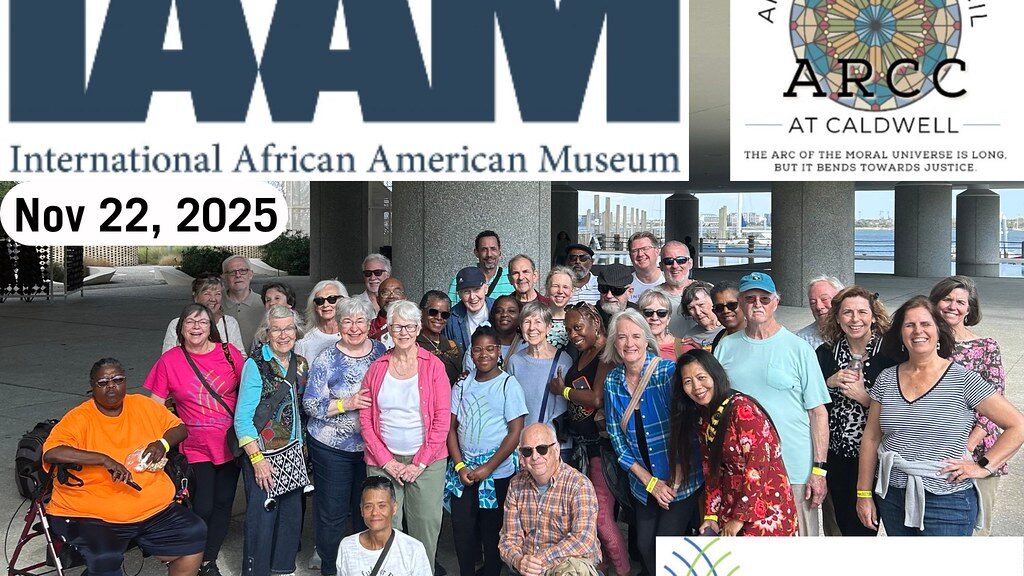


 Open/Subscribe in your podcast app